

Guided Bus Tour to Celebrate the 250th - Black Heritage Trail of NH
Date and Time
Sunday Jun 28, 2026
10:00 AM - 12:00 PM EDT
Location
City Hall, 1 Junkins Ave, Portsmouth, NH

Description
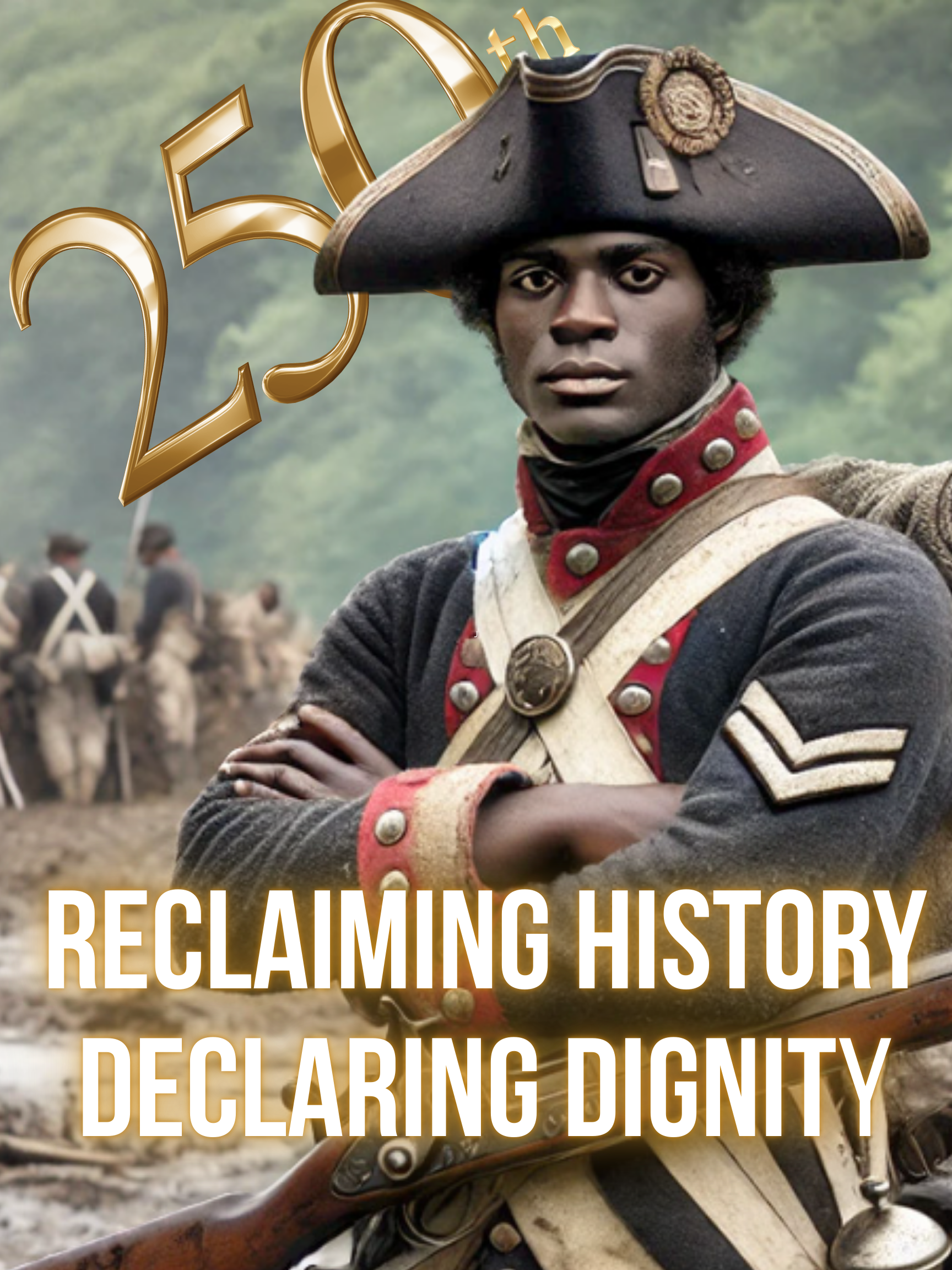
GUIDED BUS TOUR TO CELEBRATE THE 250th
Sunday, June 28 @ 10:00 AM | City Hall, 1 Junkins Ave, Portsmouth, NH
The Black Heritage Trail of New Hampshire, in partnership with the Independence Museum and Exeter Public Library, invites the public to join us for a moving, immersive journey through New Hampshire’s Black Revolutionary War history.
Our day begins at Portsmouth City Hall - 1 Junkins Ave, Portsmouth - in the lower parking lot with an opening ceremony and musket salute, grounding us in the revolutionary moment when ideas of liberty, freedom, and independence were articulated, though not yet extended to all. From there, participants will board a bus for a guided historical tour tracing the lives and legacies of Black New Hampshire patriots from Portsmouth, Newmarket, and Exeter.
The tour begins in Portsmouth with Prince Whipple, an enslaved man who became a Revolutionary War soldier and a signer of the 1779 Petition of Freedom, one of the earliest collective demands by enslaved Africans in New England for emancipation.
We then travel to Newmarket, the hometown of Wentworth Cheswell, a patriot, historian, and town leader who is reported to have carried out his own Sons of Liberty ride, much like Paul Revere’s.
Our journey continues to Exeter, New Hampshire’s then capital, where revolutionary ideas were debated, drafted, and put into motion. There, we will hear about Jude Hall, who earned his freedom by fighting at Bunker Hill, and many other veterans. In Exeter, we will also visit the American Independence Museum for lunch and to view a special exhibit that situates New Hampshire within the broader struggle for independence, while inviting us to reflect on whose freedom was secured, and whose was deferred.
We will return to Portsmouth having traveled not just across geography, but across memory and meaning. This tour, part of our Juneteenth celebration, asks us to reckon honestly with American freedom—its promises, its contradictions, and its unfinished work. At a time when Black history is being erased, challenged, or silenced, this program calls us to look at our shared American history with clear, dispassionate eyes. By centering the stories of Black patriots, we gain a fuller, truer understanding of the Revolution and are reminded that the fight for liberty has always been multiracial, complex, and ongoing.